
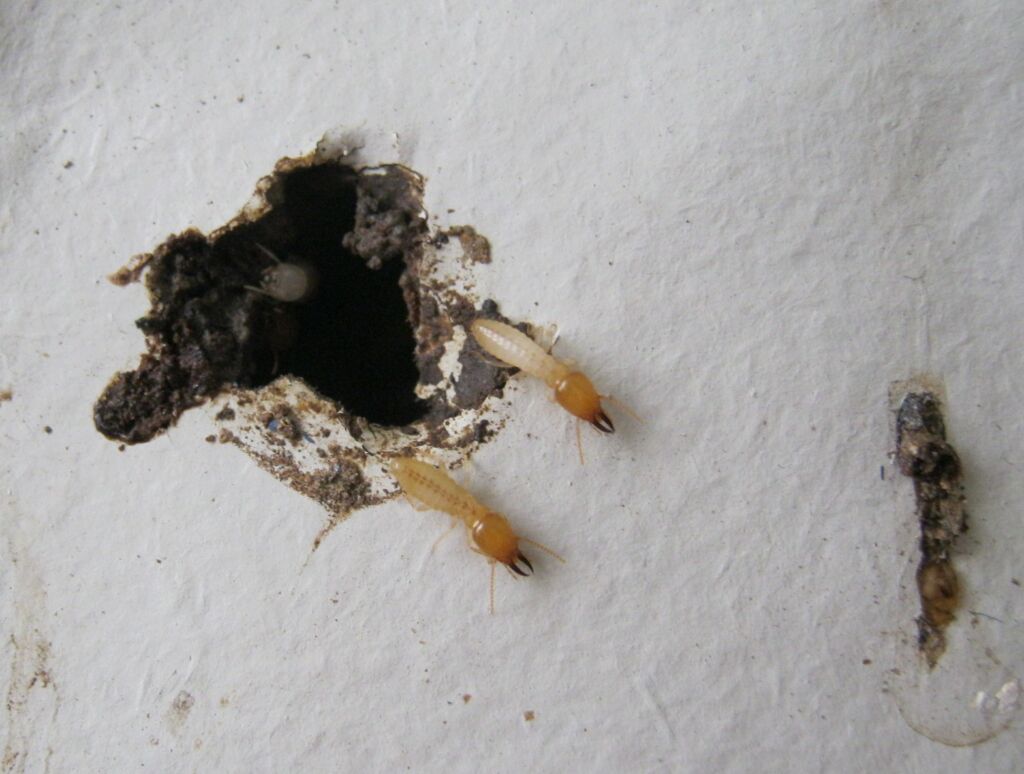
For many years, termite inspections across South East Queensland regularly turned up Schedorhinotermes activity as the predominate genus. They’ve long been the most common subterranean termite group encountered in residential areas throughout Brisbane and surrounding regions. However, over recent years, some in the pest management industry have noticed a clear shift — Coptotermes infestations are becoming the dominate genus of termites in houses across SEQ.
This is significant because while both genera of termite are capable of causing major structural damage, Coptotermes are generally regarded as the most economically destructive termite genus in Australia. The Queensland Government identifies the species Coptotermes acinaciformis as the most economically important and widespread termite species in Queensland.
The Difference Between the Two Genera
Schedorhinotermes are still highly destructive termites and continue to be very common throughout South East Queensland. They often produce obvious feeding damage and are regularly encountered during routine inspections.
Coptotermes, on the other hand, are a different level of concern entirely.
These termites can form extremely large colonies, often containing hundreds of thousands — and sometimes over a million — individuals. They are highly aggressive timber feeders and can establish hidden forward rest and storage areas (bivouacs) inside buildings where moisture sources exist.
What this means is that a leaking shower, failed waterproofing membrane, air-conditioning condensate leak, poor drainage or plumbing issue can attract termites including Coptotermes, to effectively “set up camp” within the structure itself. If not treated carefully, they can even isolated themselves in your home.
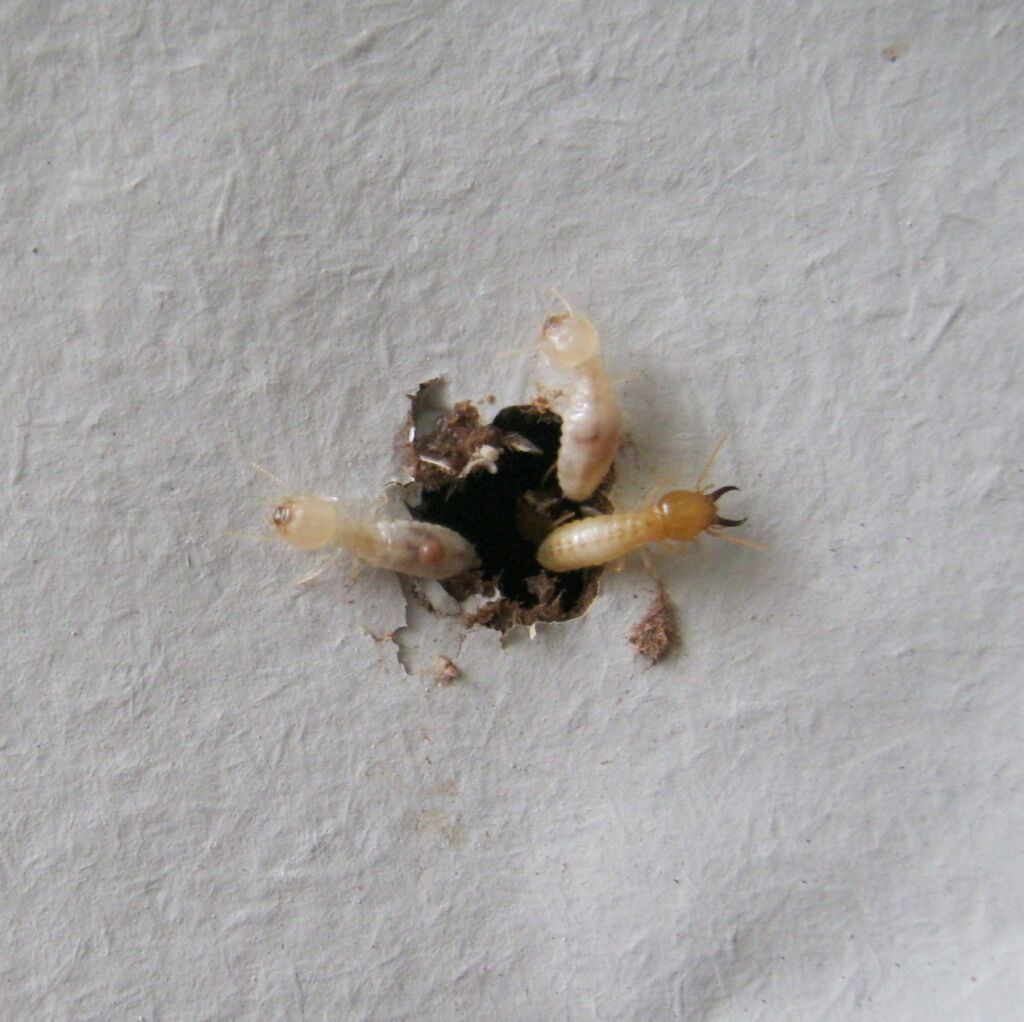
Why Are We Seeing More Coptotermes?
There likely isn’t one single reason. Instead, several environmental and construction-related factors appear to be contributing to the increase.
1. Modern Moisture Issues
Modern homes are often built with complex styles including joins in slabs, differing slab heights, slab penetrations, concealed plumbing, poor drainage and limited subfloor ventilation. Combined with Queensland’s humidity and intense rainfall periods, this creates ideal conditions for an Coptotermes infestation.
2. Dense Urban Development
Due to an increase in housing density across Brisbane, Moreton Bay, Logan and the Sunshine Coast regions, termite food sources become more concentrated. Landscaping timbers, retaining walls, tree stumps, sleepers and construction offcuts all provide potential harbourage and feeding opportunities.
Coptotermes colonies are central site nesters and are capable of foraging long distances — sometimes up to 100 metres from the central nest.
That means a colony established well away from the home may still successfully infest the structure.
3. Environmental Conditions
South East Queensland has experienced extended warm and humid conditions in recent years. Subterranean termites of all genera generally perform best in stable warm environments with reliable moisture availability.
Heavy rainfall periods followed by warm temperatures can dramatically increase termite activity and foraging pressure.
4. The Heat Island effect
The urban heat island effect occurs when cities and densely developed suburban areas become significantly warmer than surrounding rural environments.
We find that concrete, brickwork, asphalt roads, retaining walls, roofing materials and dense infrastructure absorb and retain heat throughout the day, then slowly release that heat overnight. At the same time, urban development often removes vegetation and natural cooling systems that would otherwise regulate surface temperatures.
This means that many built-up areas across South East Queensland now maintain warmer and more stable microclimates than they historically did.
For subterranean termites, particularly Coptotermes acinaciformis, that can be highly beneficial.
Why Termite Identification Matters
Correct termite identification is essential in modern termite management.
Different termite species behave differently, forage differently and respond differently to treatment methods. Coptotermes are notorious for establishing concealed activity within wall cavities in homes, working from the ground up.
This is one reason why professional termite inspections in accordance with Australian Standards and best industry practise remain so important across South East Queensland.
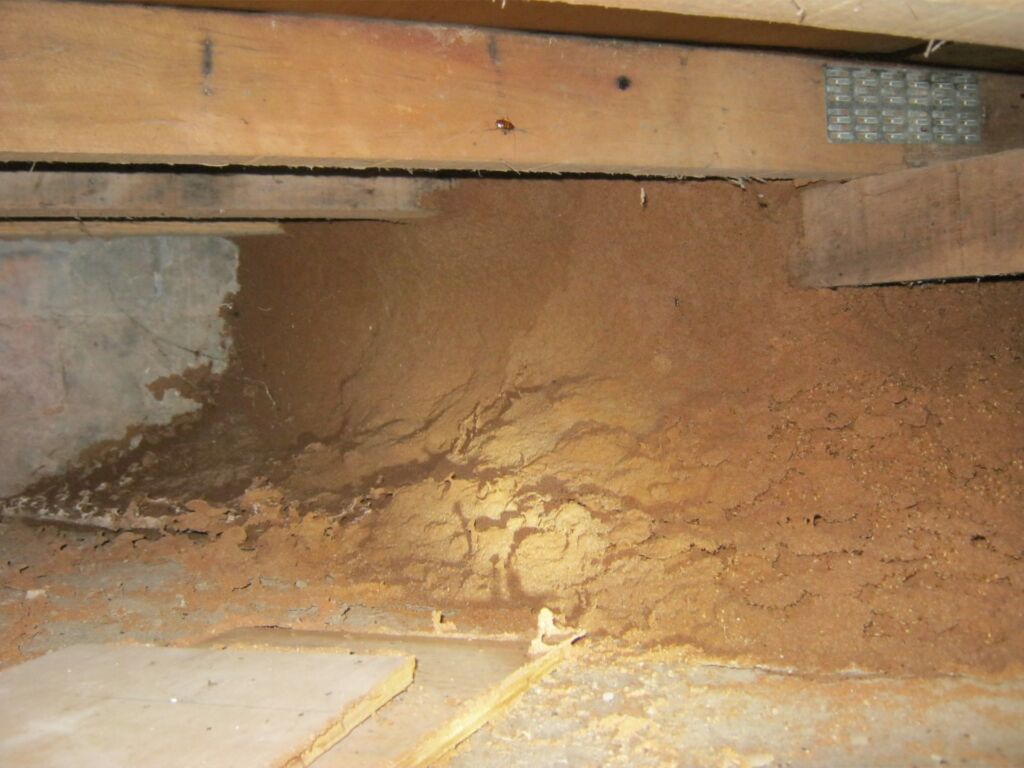
The bottom line for your home
The increase in Coptotermes activity in houses across South East Queensland is a reminder that termite pressure in our region remains extremely high.
Brick homes built with a timber frame are particularly susceptible, while steel framed houses or homes with previous termite treatments may not be immune from attack if conducive conditions develop over time.
Regular termite inspections, rectification of moisture issues, maintaining termite management systems and addressing drainage or plumbing issues early, are all critical parts of reducing long-term risk.
Unfortunately, with Coptotermes, by the time visible signs appear, significant structural damage may already be present, hidden from view.
Worried you might have Termites in your home? Give us a call at 07 3356 8801, fill out our online enquiry or email us at admin@allurepest.com.au.