Why am I getting ants after rain?
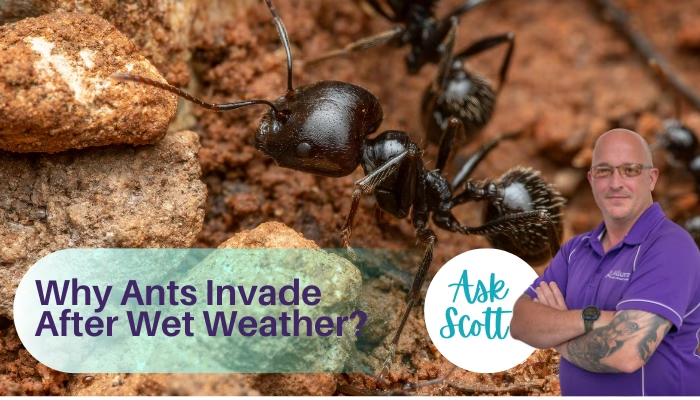
If you’ve noticed ants suddenly appearing inside your home after rain, you’re not alone. At Allure Pest Solutions, ant infestations are one of the most common issues we’re called out for following heavy rainfall.
Understanding why ants behave this way and how to stop them can help you protect your home and avoid ongoing infestations.
Why Do Ants Come Inside After Rain?
Most ant species nest in soil, garden beds, wall voids, and under paving or slabs. When heavy rain occurs, these nests can become flooded or unstable. As a result, ants are forced to relocate quickly in search of:
- Dry shelter
- Warm, protected spaces
- Reliable food and water sources
Your home offers all of these, making it an ideal refuge during and after wet weather.
Ants can enter through very small gaps, including:
- Cracks in foundations or brickwork
- Gaps around doors and windows
- Plumbing and electrical entry points
Once a few ants gain access, they leave a chemical scent trail that the rest of the colony follows, leading to the sudden trails many homeowners notice.
Why Do Ant Problems Get Worse After Rain?
Rain doesn’t just drive ants indoors temporarily, it can trigger long-term issues.
- Colonies may relocate closer to buildings
- Increased moisture encourages ant activity
- Disrupted colonies forage more aggressively for food
Without proper treatment, what starts as a few ants can quickly become a persistent infestation.
How to Reduce Ant Activity After Rain
There are several steps homeowners can take to reduce the risk of ants entering after wet weather.
Seal Entry Points
Inspect and seal cracks, gaps, and openings around your home, especially near ground level and external walls.
Keep Your Home Clean and Dry
Ants are attracted to food and moisture. Reduce attractants by:
- Wiping down benches and floors regularly
- Storing food in sealed containers
- Taking rubbish out frequently
- Repairing leaking taps and pipes
Manage Outdoor Areas
Outdoor conditions play a major role in ant activity:
- Keep mulch, soil, and garden beds away from the foundation
- Trim plants that touch walls or roofs
- Ensure proper drainage around the home
Reducing moisture and shelter outside makes your home less appealing to ants.
Why DIY Treatments Often Don’t Work
Many store-bought sprays only kill the ants you can see. This doesn’t eliminate the nest and can sometimes make the problem worse by causing the colony to split and spread.
Effective ant control requires:
- Correct identification of the ant species
- Locating nesting sites
- Using professional-grade treatments that target the colony
Professional Ant Control with Allure Pest Solutions
If ants continue to appear after rain, it’s likely there is an established nest in or around your property. At Allure Pest Solutions, we provide targeted ant treatments designed to address the problem at its source, not just the symptoms.
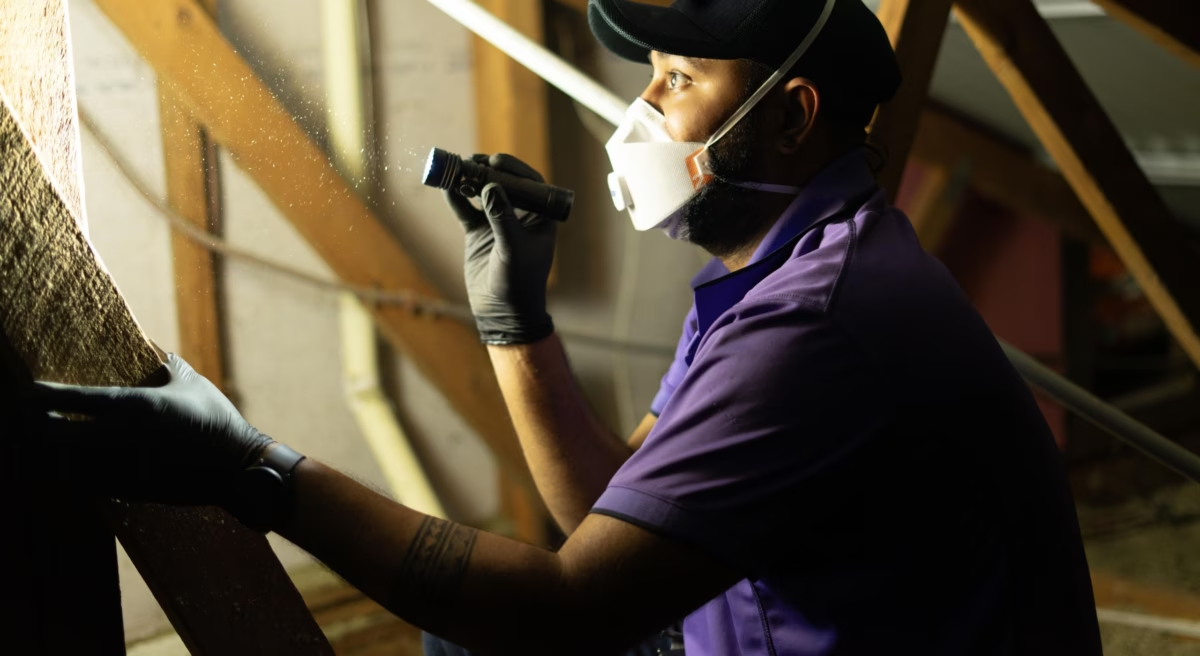
Our experienced technicians will:
- Identify the ant species
- Locate nesting and entry points
- Apply safe and effective treatments
- Provide advice to prevent future infestations
Book an Ant Treatment Today
Don’t let wet weather turn into an ongoing ant problem. If ants are invading your home after rain, Allure Pest Solutions can help - 33568801 or email: info@allurepest.com.au
Clink the link for more information about pest control solutions.