Understanding Bed Bugs
Protect Your Home from Bed Bugs with Allure Pest Solutions
Bed bugs are of the genus Cimex and are small, blood-feeding insects that can establish themselves in homes, and usually transported from hotels and other accommodation premises.
Although they are not known to spread disease in Australia, their bites can cause itching, skin irritation, and leave blood staining on bedding. Bed bugs can be difficult to control without a thorough inspection and carefully planned treatment.
What Do Bed Bugs Look Like?
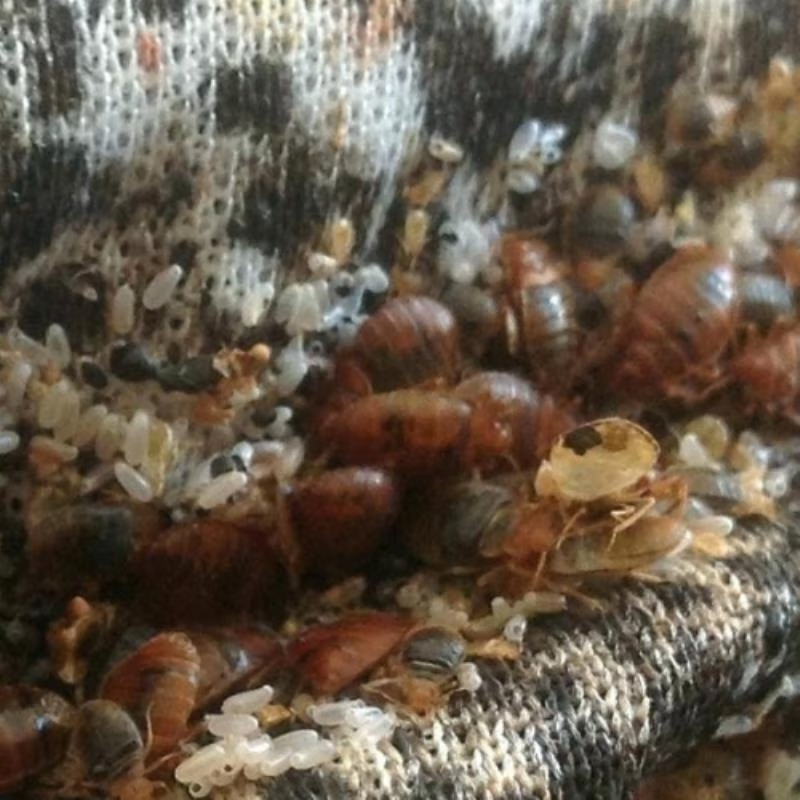
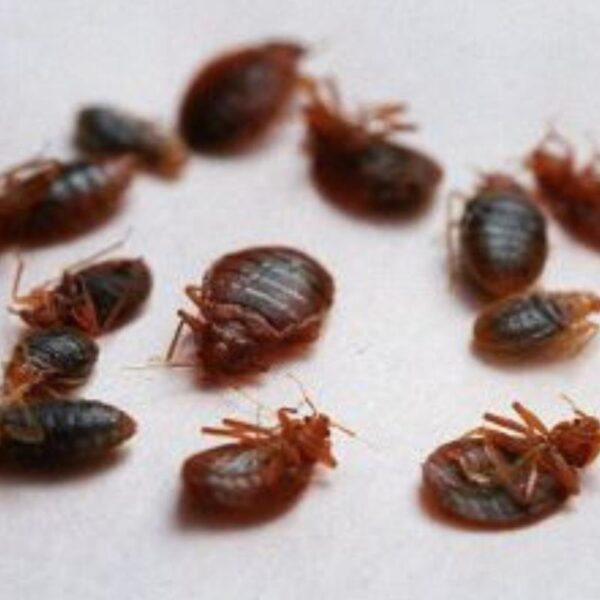
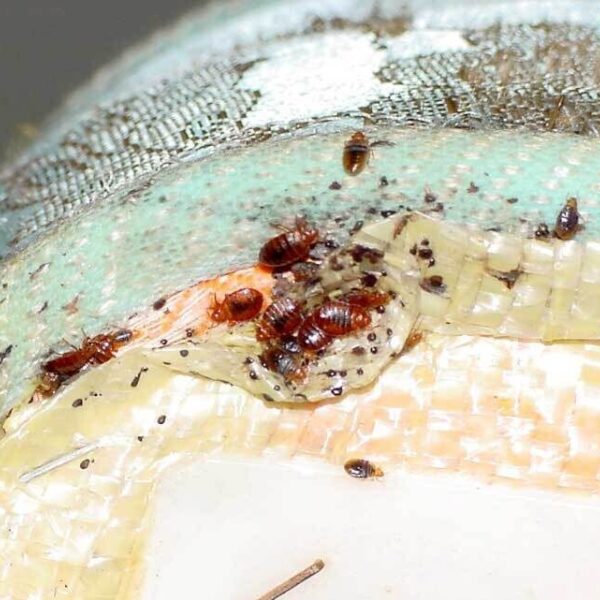
Adult bed bugs are flat, oval-shaped insects that are generally brown to reddish-brown and approximately the size of an apple seed or 4-5mm for adults. After feeding, their bodies become darker, swollen and more elongated.
Nymph bed bugs are smaller and lighter in colour. Their eggs are tiny, pale and difficult to see without a close inspection. Bed bugs are mainly active at night and hide during the day, so an infestation may become established before they are noticed.
Where Do Bed Bugs Hide?
Bed bugs usually remain close to areas where people sleep or rest. Beds, bed frames, walls and curtains behind the bed, bed side tables and suitcases that they might be transported in are the most common areas they are found.
How Do Bed Bugs Spread?
Bed bugs are often spread by being carried from one place to another in luggage, clothing, furniture and personal belongings. Hotels, hostels, short-term accommodation and shared residential buildings can provide opportunities for bed bugs to move between rooms and properties.
An infestation is not necessarily a sign of poor hygiene. Even clean and well-maintained properties can have an infestation.
Tell-tale signs of a Bed Bug Infestation
Bites are often the first sign that you might have an infestation. Quite often they appear as small, itchy red marks, sometimes grouped together or arranged in a line. But bites alone cannot confirm bed bug activity, reactions vary between individuals and can resemble bites from other insects including mosquitoes and fleas.
Other signs may include:
- Small blood spots on sheets or pillowcases
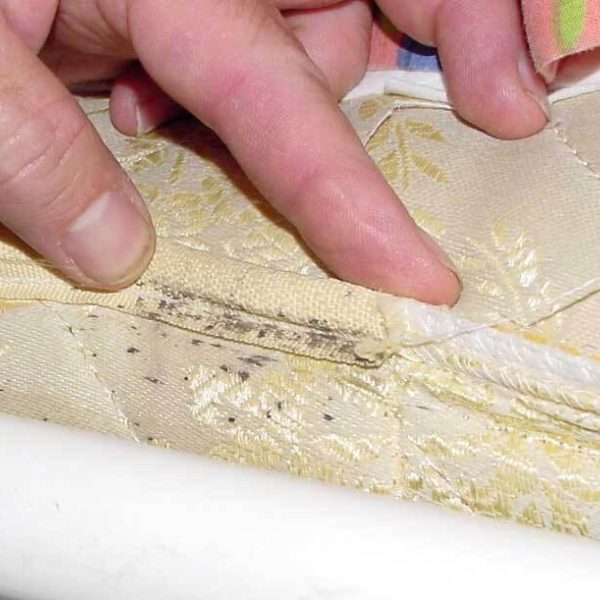
- Dark faecal marks around mattress seams or bed frames
- Shed skins left behind as nymphs develop
- Live bed bugs found in mattress seams when changing bedding
- A noticeable musty odour. This can indicate a heavy infestation
A professional inspection is the most reliable way to determine whether you might have a bed bug infestation.
Professional Bed Bug Treatments and Management
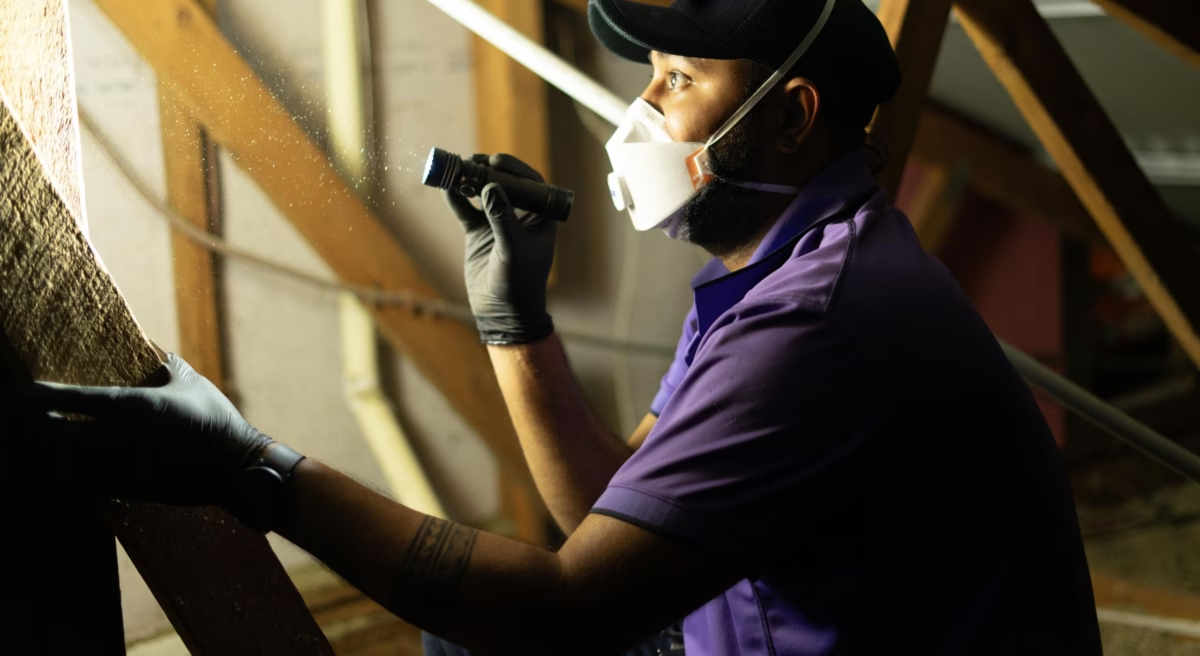
Effective control begins with a thorough inspection. Our Pest Technician will examine the beds, furniture and surrounding areas to identify evidence of activity and assess whether there is an infestation and how far they have spread.
Bed bug control typically requires more than one visit. Follow-up inspections allow newly hatched bed bugs or remaining activity to be identified and treated before they are a problem again.
Preparing for Treatment
Correct preparation can have a significant effect on the success of treatment. What might be required of the home owner:
- Wash and heat-dry bedding, clothing and curtains in the affected area
- Place treated items in clean sealed bags
- Reduce items that are around the area of concern
- Vacuum floors, mattress seams and furniture
- Provide access to the entire room or rooms affected
- Avoid moving items into unaffected rooms
Preparation instructions can vary, so it is important to follow the directions provided by the pest management technician. Mattresses, furniture and personal belongings should not be discarded unless specifically recommended, as moving items may provide new areas to infest.
Why DIY Bed Bug Treatments often don’t work
Bed bugs are difficult to eliminate because they can hide in narrow, protected spaces. Bed bugs have developed a resistance to many synthetic pyrethroid pesticides over generations, making it difficult to treat them with off the shelf products.
Early professional attention generally provides the best opportunity to contain the infestation before it becomes an ongoing problem in your home.
The Allure Pest Solutions Difference
Why Choose Allure for Bed Bug Treatments?

Expertise You Can Trust
Our team of fully qualified and experienced pest control specialists are experts in bed bug treatments and management. We use the latest technology and advanced techniques for the best results.

Eco-Friendly Solutions
We are committed to using sustainable and environmentally safe treatments, ensuring your home is protected without compromising your family’s health or the environment.

6-Month Comprehensive Protection
Eligible General Pest treatments come with a 6-month call-back guarantee, giving you peace of mind that your home is safeguarded.
Fast and Efficient Service
We understand the urgency of bed bug treatments. Our team responds quickly to address infestations and provide immediate treatment to protect your home.
Process Overview
Our 3-Step Bed Bugs Treatment and Management Process
Beg Bug Treatments
Frequently Asked Questions
What is the most effective way to treat bed bugs?
Professional pest control using an integrated approach of inspection, targeted insecticides, and heat or steam is the most reliable method for eliminating bed bugs.
Can I get rid of bed bugs with sprays alone?
No, pesticide sprays alone rarely eliminate an infestation because bed bugs hide in cracks and can develop resistance to common chemicals.
How long does professional treatment take?
Most infestations require multiple visits over 2–4 weeks to kill newly hatched bugs after eggs survive the first treatment.
How do I know if the treatment worked?
Success is confirmed when new bites stop, live bugs and droppings are no longer found, and interceptor traps under bed legs remain empty for several weeks.
Find Your Nearest Service Area
Protecting Homes and Businesses with Trusted Bed Bug Treatment and Control Solutions