Timber Pest Inspections
Our Termite and Timber Pest Pre-Purchase Inspections provide a detailed assessment of accessible areas of a property.
Commonly called a pre-purchase pest inspection, or a pre-purchase termite inspection, the more accurate and official term is a “pre-purchase timber pest inspection”.
Our inspections assess the property for termites and other timber pests, including evidence of previous activity, timber damage, and environmental or construction conditions that may increase the risk of future infestation, helping you make a more informed decision before purchasing.
Knowing what is happening inside, underneath and around the property could save you from financial disaster.
Protect Your Home
What is a Pre-purchase Timber Pest Inspection?
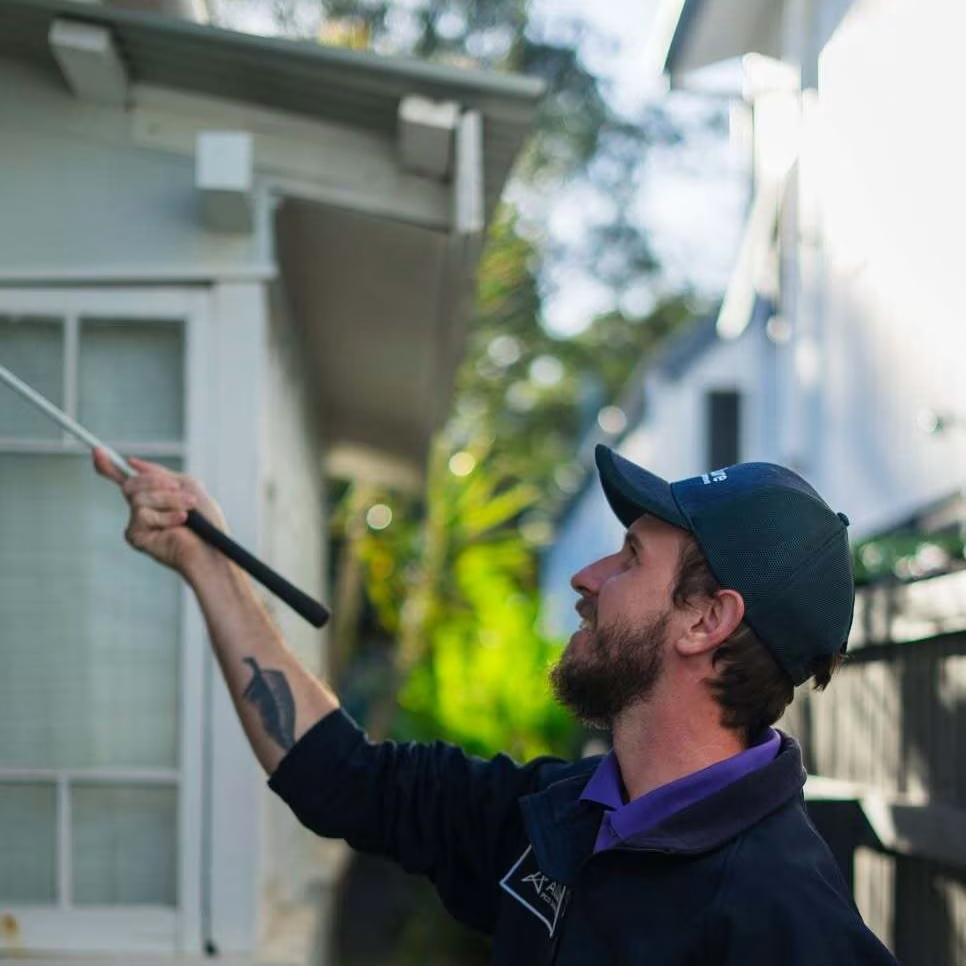
A pre-purchase timber pest inspection is a specialist inspection designed to identify evidence of termites and other timber pests that may affect a property. The inspection is generally visual and non-invasive, focusing on accessible areas of the property and surrounding structures.
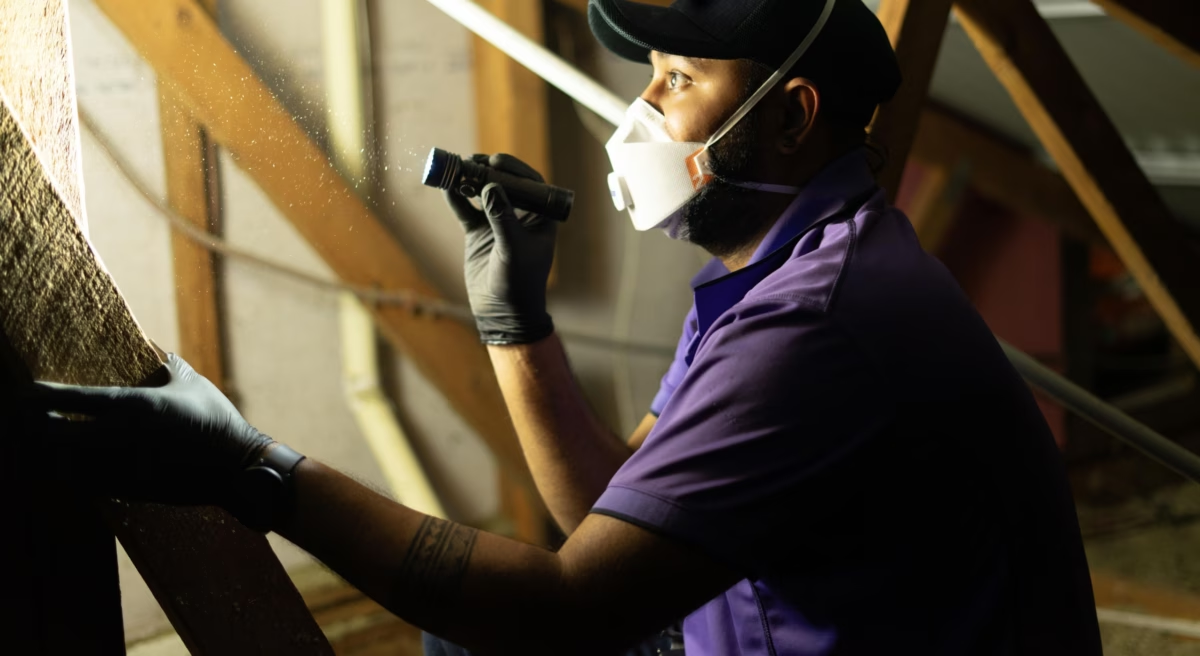
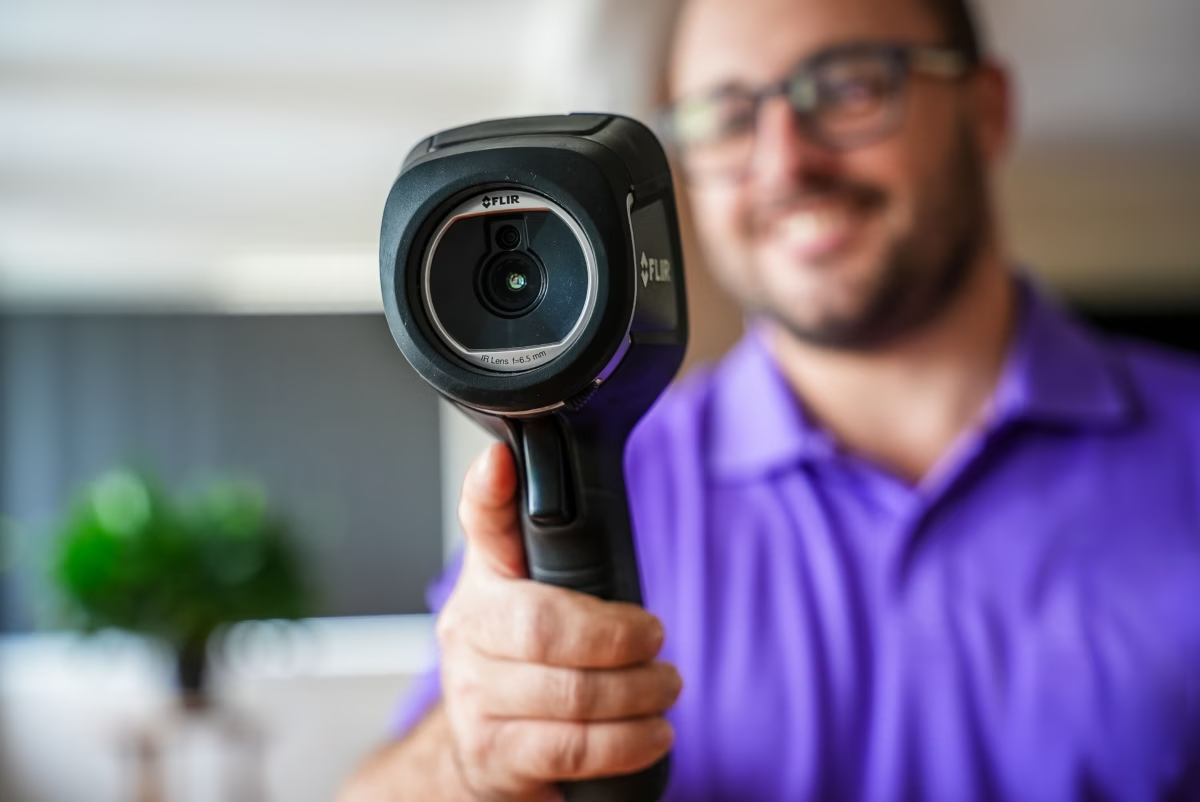
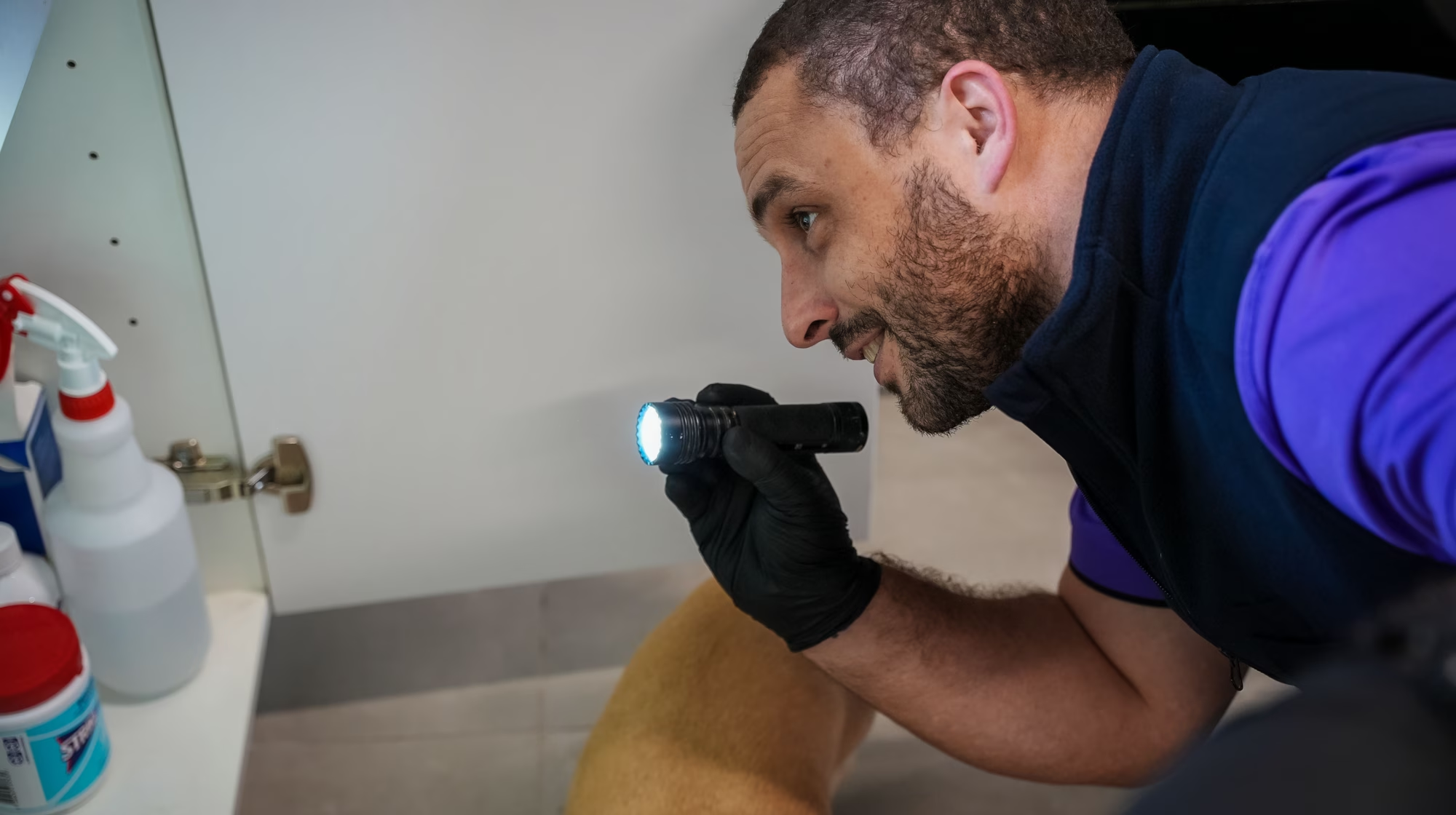
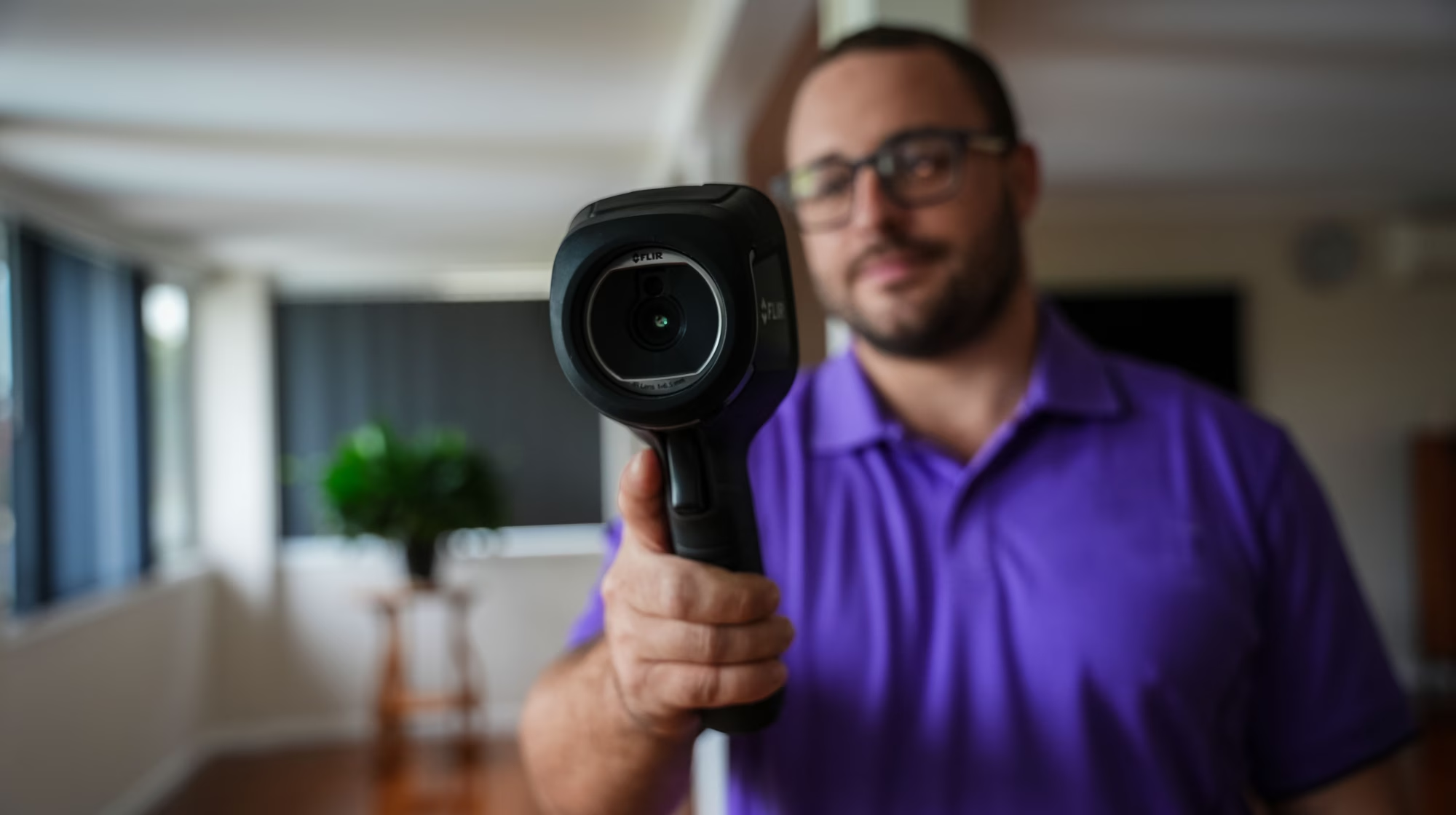
Our timber pest inspections are conducted in accordance with Australian Standard AS 4349.3-2010 and the AEPMA Code of Practice for Prior-to-Purchase Specialist Timber Pest Inspections. This may include accessible interior areas, the roof void, subfloor, external structures, gardens and other relevant areas around the property. We use industry-appropriate inspection tools, including tapping and sounding techniques, a thermal camera, Termatrac (microwave motion detection device) and moisture-detection equipment, to help identify signs that may not be apparent during a simple visual inspection.
Keep in mind that no visual, non-invasive inspection can identify every concealed defect or hidden infestation. If further investigation is considered necessary, we can explain the available options and recommend the next appropriate step.
Our experienced technicians assess the property for:
- Active termite activity
- Evidence of previous termite activity or damage
- Conditions conducive to termite infestation
- Fungal decay and timber deterioration
- Wood borer activity and damage
- Construction features or environmental conditions that may increase timber pest risk
- Existing termite management systems and their condition, where accessible
- Recommendations for termite management or ongoing protection, where appropriate
Why Are Pre-Purchase Timber Pest Inspections Important?
Termite activity often stays hidden for a long time, and by the time the signs appear, considerable damage might have already taken place.
A property can look perfectly well maintained while still containing:
- Active termites hidden within wall cavities or structural timbers
- Evidence of previous termite activity
- Timber damage that has been concealed or repaired
- Moisture problems contributing to timber decay
- Poor subfloor ventilation
- Garden features, landscaping or building alterations that create hidden termite entry points
- Termite barriers that have been bridged, damaged or made ineffective
A pre-purchase timber pest inspection gives you important information before you commit to the purchase. Our findings will help you better understand the property’s current condition, identify potential risks and determine whether further investigation or treatment should be considered.
A timber pest inspection is commonly arranged alongside a building inspection. While a building inspection assesses the general condition of the building, a specialist timber pest inspection focuses specifically on termites, timber pests and conditions that may contribute to infestation or damage. It is best to have a pest expert with years of experience conduct the timber pest inspection.
South East Queensland’s Climate and the Risk of Termites and Timber Pests
Brisbane, Brisbane North, Brisbane South, Sunshine Coast and Fraser Coast provide ideal conditions for termite activity. Warm temperatures, humidity and rainfall can support termite activity throughout much of the year. Moisture is particularly important. Leaking plumbing, poor drainage, inadequate ventilation and water entering timber can all create conditions that increase the risk of timber decay and termite activity.
This can be especially relevant to properties with:
- Subfloors with poor ventilation
- Timber in contact with or close to soil
- Leaking gutters, downpipes or plumbing
- Poor drainage around the property
- Garden beds or landscaping that bridge termite inspection zones
- Timber retaining walls, decks, fences or outbuildings
- Existing termite management systems that have been altered or compromised
Property improvements can also affect termite protection systems. Extensions, decks, landscaping, renovations and other building work may bridge or conceal physical termite barriers and create new pathways for termites to enter a structure. This is why a property should be assessed holistically.
Our 3-Step Pre-Purchase Timber Pest Inspection Process
Common Termites and Timber Pests Found Around Brisbane and South East Queensland
Subterranean Termites
Subterranean termites are highly destructive pests that live in soil-associated colonies and can travel through concealed pathways to damage timber inside buildings. Since they remain hidden, significant damage often occurs before detection. Signs include mud tubes, damaged timber, discarded wings, or other evidence of activity.
Dampwood Termites
Dampwood termites thrive in moist timber affected by leaks, poor drainage, or water ingress (point of entry). Addressing moisture sources helps reduce the conditions that support their activity.
Wood Decay Fungi
Although not insects, fungi can cause significant timber damage. They decay timber exposed to prolonged moisture, weakening it and increasing vulnerability to pests.
Wood Borers
Wood borers are insects whose larvae tunnel through timber, causing damage that can be hard to detect without proper inspection. They affect older timber, structural elements, flooring, furniture, and other wood products. The severity depends on the species, location, and extent of damage.
Why both, the Australian Standard, and the AEPMA Code for Timber Pest Inspections, are needed
AS 4349.3-2010 is the Australian Standard for building inspections of timber pests. It defines the scope, limitations, reporting, and terminology. It sets the minimum standards but doesn’t guarantee access to all concealed areas or detection of hidden termites or pests.
The AEPMA's (Australian Environmental Pest Managers Association) Code of Practice for Prior-to-Purchase Specialist Timber Pest Inspections provides additional industry guidance regarding the inspection process, tools, reporting and expectations for this type of service.
Together, these two standards help establish a more consistent approach to pre-purchase timber pest inspections and assist property buyers understand what an inspection can and cannot identify.
The Allure Pest Solutions Difference
Why Choose Allure For Your Pre-Purchase Timber Pest Inspection

Local Knowledge
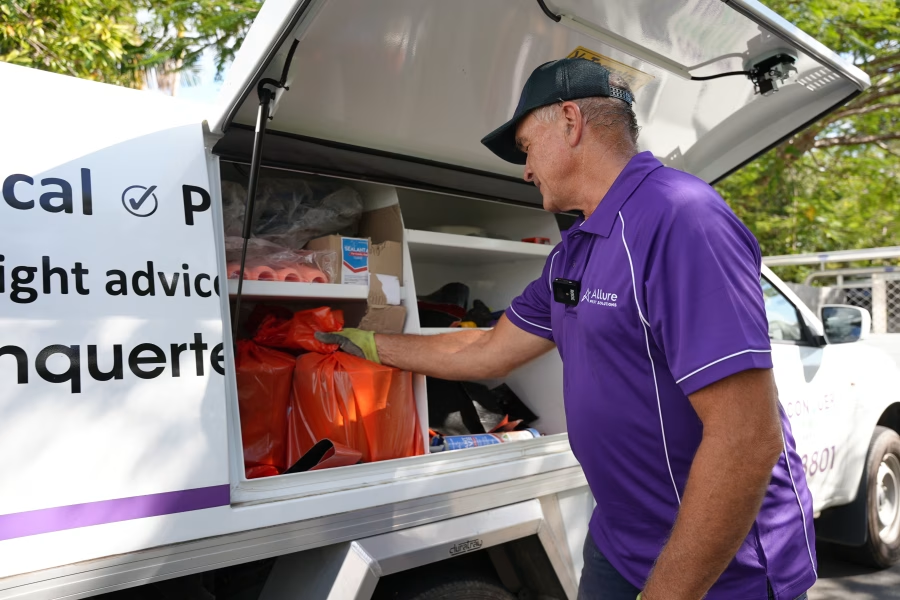
As locals ourselves, we understand the termite and timber pest risks associated with properties across Brisbane, Brisbane North, Brisbane South, Sunshine Coast, and Fraser Coast. We know that every property is different, from older raised homes to modern slab constructions, renovated properties and homes close to bushland.
Thorough, Professional Inspections
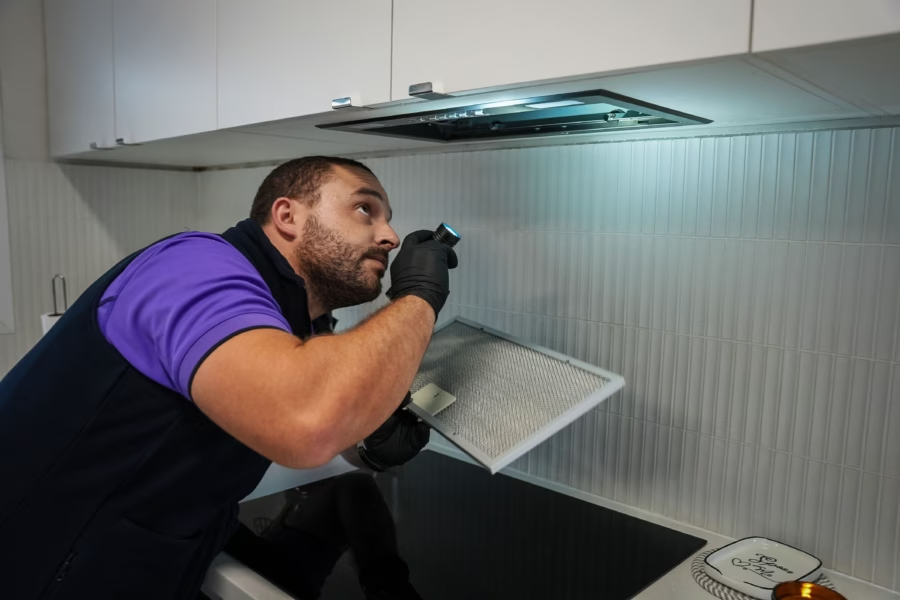
We look beyond the obvious. Our pre-purchase timber pest inspections investigate accessible areas for evidence of activity, damage and conditions that may increase the likelihood of future timber pest problems.
Clear, Practical Reporting
A report is only useful if you can understand it. We explain our findings clearly, identify areas of concern and provide practical recommendations where further action may be appropriate.
Fast Turnaround for Property Buyers
Property purchases often operate within tight timeframes, and we understand that you may need your pre-purchase timber pest inspection arranged and completed promptly. Our team works to provide a professional and efficient service to help you make informed decisions within your property purchase timeframe.

Your New Property Deserves an Expert Inspection
When you’re investing in a property, you need to know the condition of the home and what its affected by, before you sign on the dotted line. That’s exactly what the team at Allure Pest Solutions delivers. Our technicians are among the industry’s most experienced timber pest inspectors, bringing extensive knowledge of termite behaviour, timber pests and the unique risks facing properties throughout Brisbane and South East Queensland.
Every member of our team undergoes rigorous training and is mentored by leading industry professionals, ensuring every pre-purchase timber pest inspection is completed thoroughly, professionally and in accordance with Australian Standards. We know what to look for, where termites, timber pests and other risks are most likely to hide, and how to identify conditions that could increase the risk of future infestation. Don’t leave such an important decision to chance.
Pre-Purchase Timber Pest Inspections
Frequently Asked Questions
How long does a termite and timber pest pre-purchase inspection take?
Most inspections take 1.5-hours, depending on property size and accessibility.
What areas of the property are included in the pre-purchase inspection?
Accessible interior, exterior, roof void, and subfloor areas are inspected.
Will the inspection find all termite damage?
Inspections are visual and non-invasive, so hidden damage may not always be detected.
Do I still need this timber pest inspection if the property looks fine to me?
Yes, pest and termite damage is often hidden and not visible to the untrained eye.

Find Your Nearest Service Area
Protecting Your Investment with Trusted Pre-Purchase Timber Pest Inspections