Possum Management in South East Queensland
Possums can be a problem here in the Greater Brisbane area.
They are often seen on fences, climbing through trees, or feeding in gardens after dark. In their natural environment, possums shelter in tree hollows. Due to development, suitable hollows are harder to find,and protection of a roof cavity can seem like a good alternative. and the warmth
A possum in the yard is not usually an issue. The problem is when one moves into a roof or wall cavity, a shed or another part of a building. Night-time movement can quickly make its presence known. Resolving the issue requires a lawful and humane approach because possums are protected native wildlife in Queensland.
Common Possums in South East Queensland
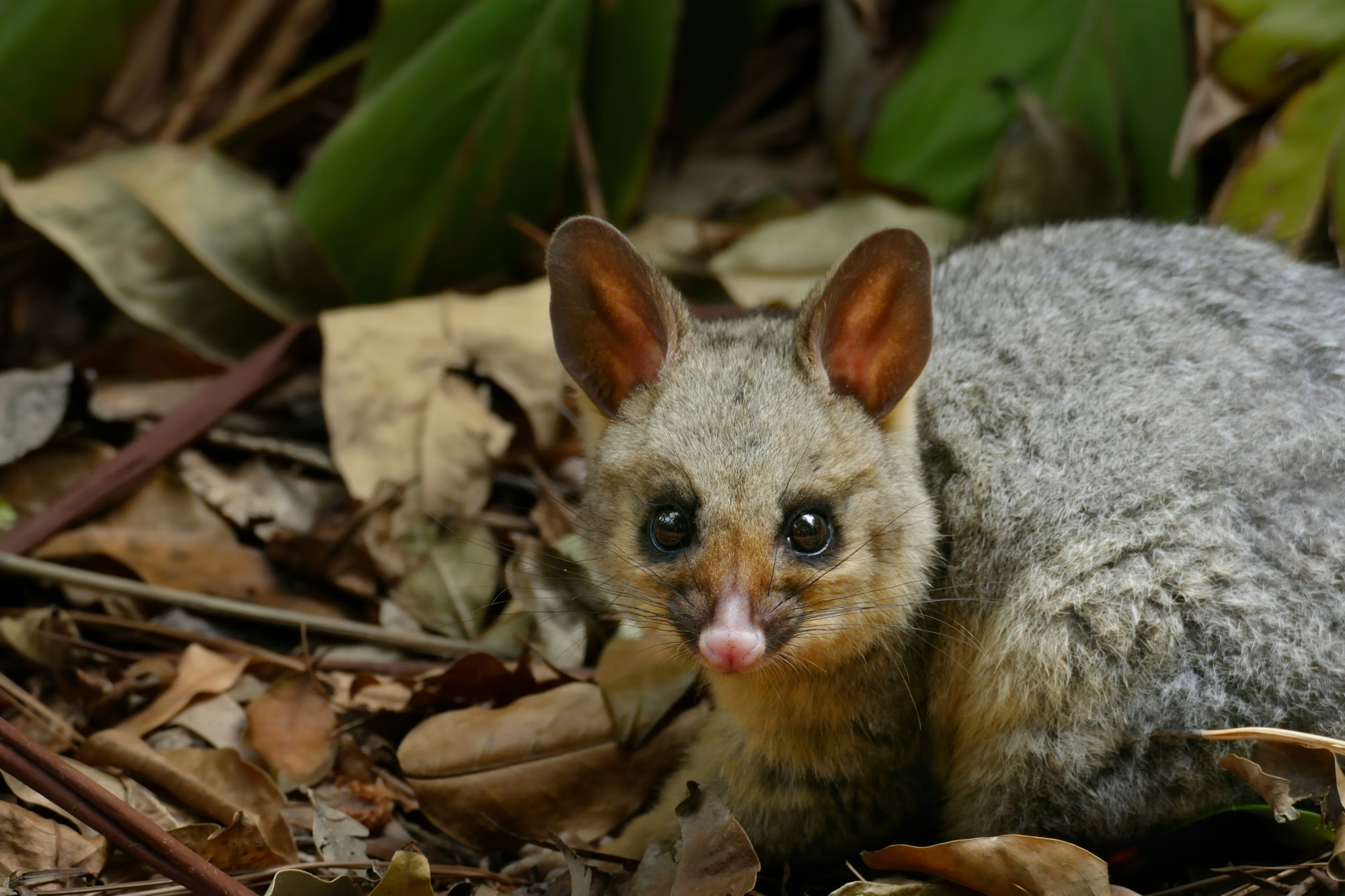
The common brushtail possum and common ringtail possum are both found across South East Queensland.
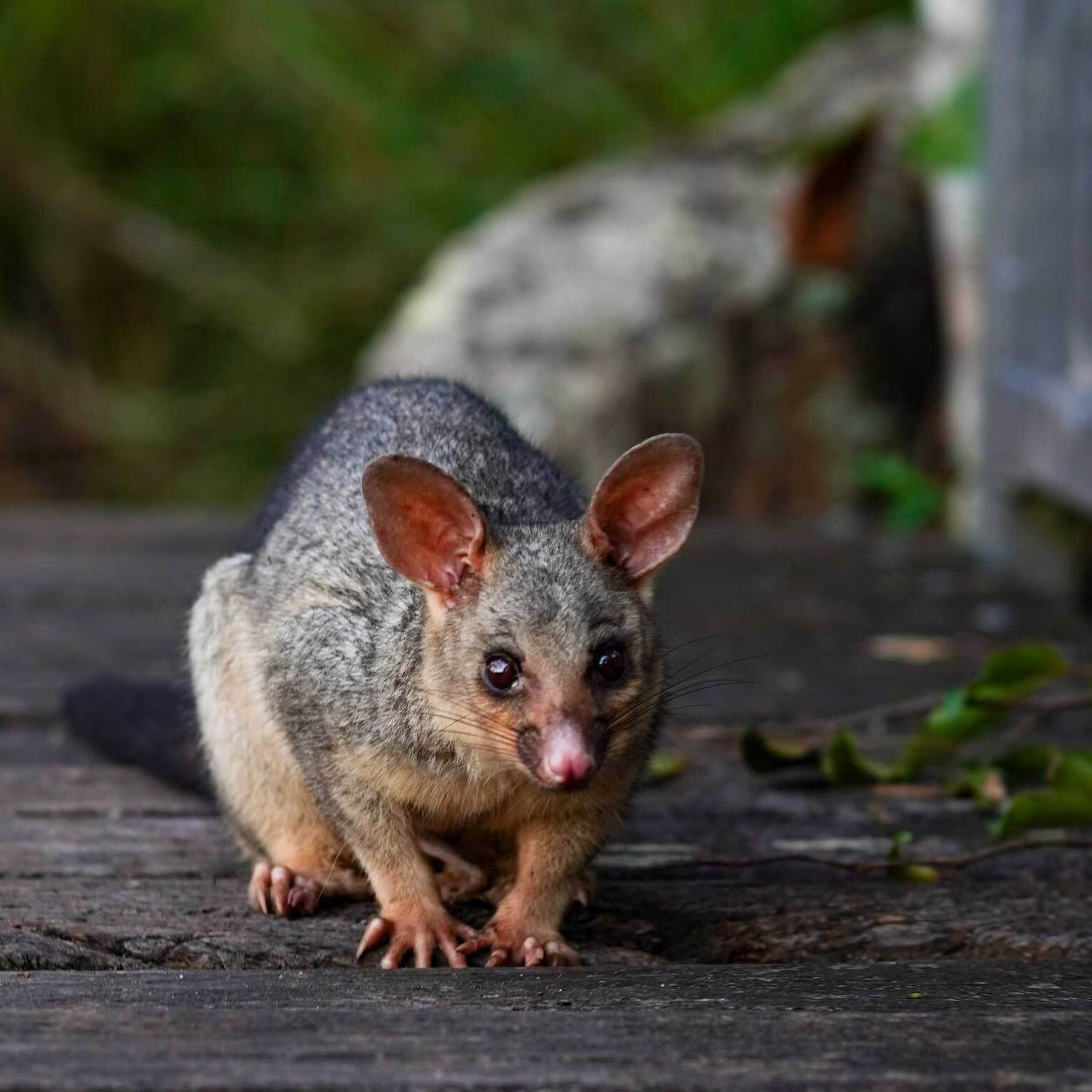
Brushtail possums are the larger of the two and are the species most often encountered in roof cavities. They have a sturdy body, pointed ears and a thick, bushy tail. Brushtails cope particularly well with suburban conditions.
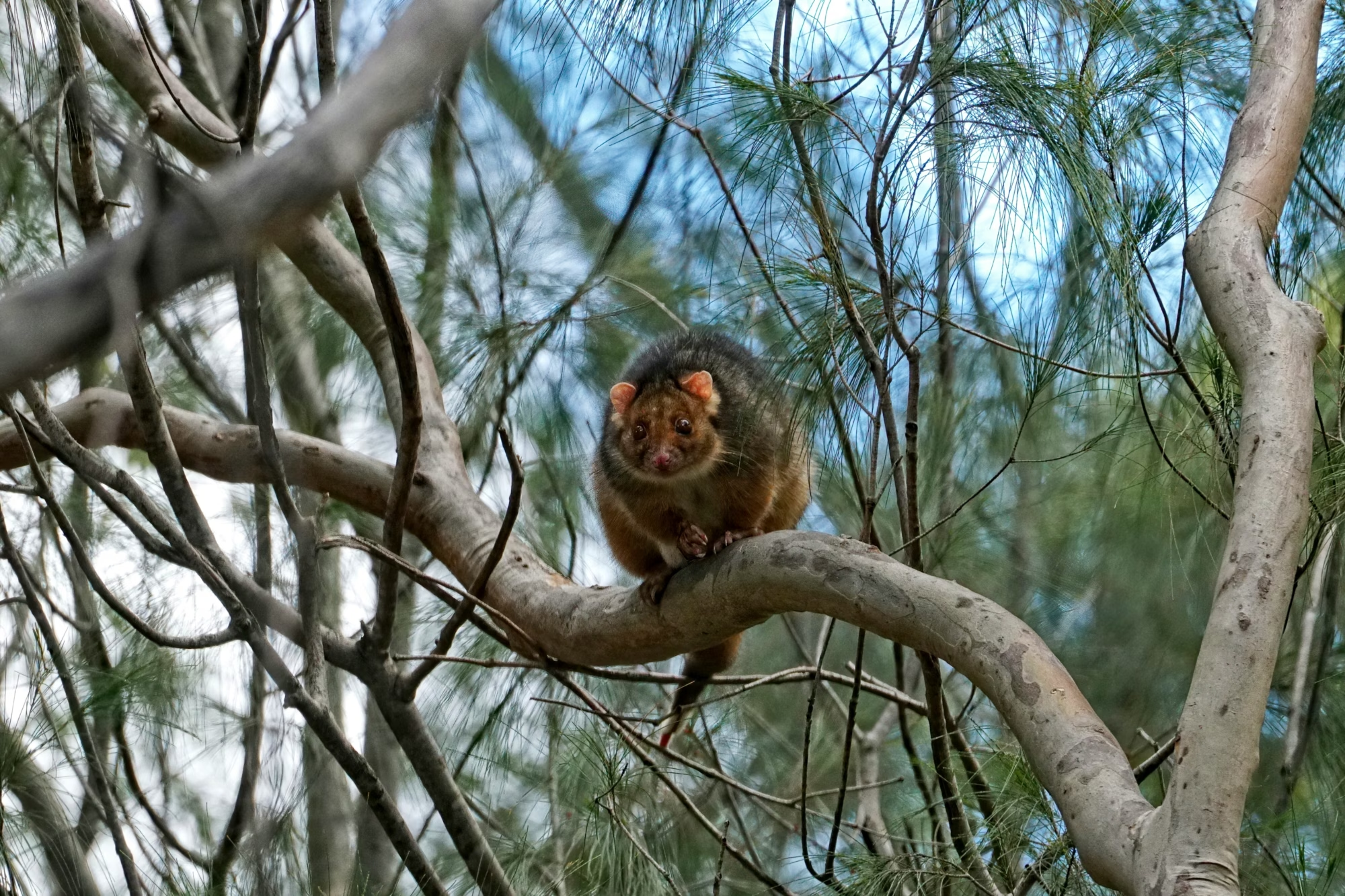
Ringtail possums are smaller though. They have rounded ears and a slender tail that often has a white tip. They commonly build leafy nests (dreys) in dense trees and shrubs. While they are less likely to settle inside a roof they may still be present on a property close to your building.
Both species are mainly active at night but can be seen during daylight while moving between shelters or once disturbed.
Do I have a Possum in the roof?
It is common to hear possums in the ceiling during the evening or early morning. Often mistaken by the sounds caused by rats or mice possum movement sounds more like slow footsteps, thumping or something being dragged across the roof.
What else to look out for:
- Droppings in the roof or pathways
- Strong urine-like odours inside the building
- Staining around an entry point
- Damaged or displaced insulation
- Scratching near eaves or gutters
- Noises that begin around dusk and return before daylight
- Disturbed roof tiles or sections of eaves
- Regular travel along fences or branches and sometimes along powerlines
It is worth confirming which animal is present before acting. Rodents can also live in roof spaces, and the correct response will depend on the species involved.
Why is there a Possum in my roof?
Possums are looking for the same basic things as most animals: a secure resting place, protection from weather and access to food. Roof cavities provide shelter from predators and nearby gardens provide fruit and other food.
Access points are commonly found due to damaged eaves, roofing that is loose, uncapped vents and gaps where different sections of a building meet. Branches that overhang and fences provide easy access to the roof.
Simply removing a possum will not solve the problem if these opportunities still exist. The same animal may return, or you might find another possum take over the vacant shelter.
Possums Are Protected
Possums cannot be treated in the same way we do rodents. They are protected under Queensland wildlife legislation, and trapping or relocating one without the appropriate authority is unlawful.
Where removal is necessary, it must be carried out by a suitably authorised possum relocator. Queensland requirements also restrict how far a captured possum can be moved. Possums are territorial and may struggle to survive if released into an unfamiliar area already occupied by other animals.
Poisoning, injuring, or abandoning a possum is not acceptable for management. Sealing a roof without first confirming that every possum has been excluded can also trap an animal inside and may separate a mother from her young.
Inspection, Removal and Exclusion
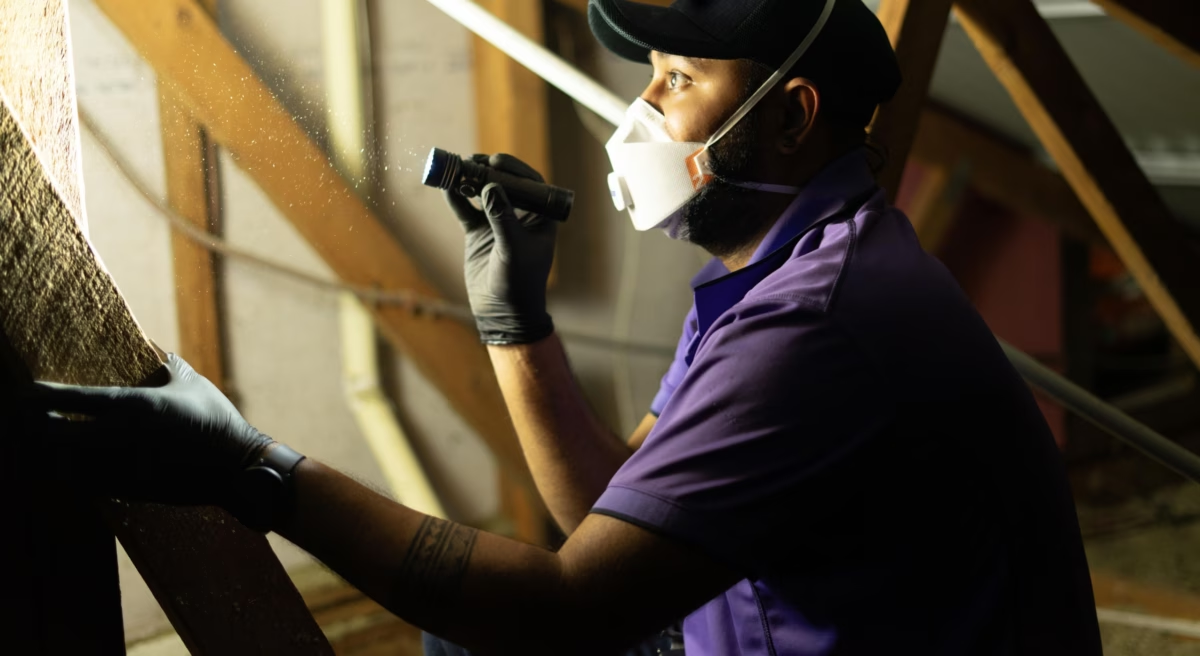
As with any pest management, good possum management starts with an inspection of the building and surrounding property. The aim is to identify the access point, determine how it is reaching the roof and check whether more than one possum may be present.
Management of possums involves:
- Confirming the animal responsible
- Locating the access points
- Arranging removal by an appropriately authorised person
- Sealing openings once absence of possum/s is confirmed
- Repairing damage caused
- Cleaning contaminated areas where practical
- Trimming branches that provide direct roof access
- Installing a suitable possum nesting box nearby
Exclusion work is one of the most important parts of the process. Without it, trapping alone provides only a temporary result.
Reducing Future Possum Problems
Property owners can make roof access more difficult by keeping branches clear of the building, maintaining eaves and replacing damaged roof components. Pet food should cleaned up and not left outside overnight, and fallen fruit should be collected regularly.
Do not feed possums. Regular feeding can encourage animals to remain close to the house and may lead to conflict between possums.
Arrange an Assessment
If you hear heavy movement in the roof or suspect a possum has entered your building, avoid sealing openings or attempting to trap it yourself. Allure Pest Solutions can assess the activity, identify likely access points and discuss lawful management and exclusion options for properties across South East Queensland.