Wasp Management in South East Queensland
Common Wasps We Treat in Brisbane
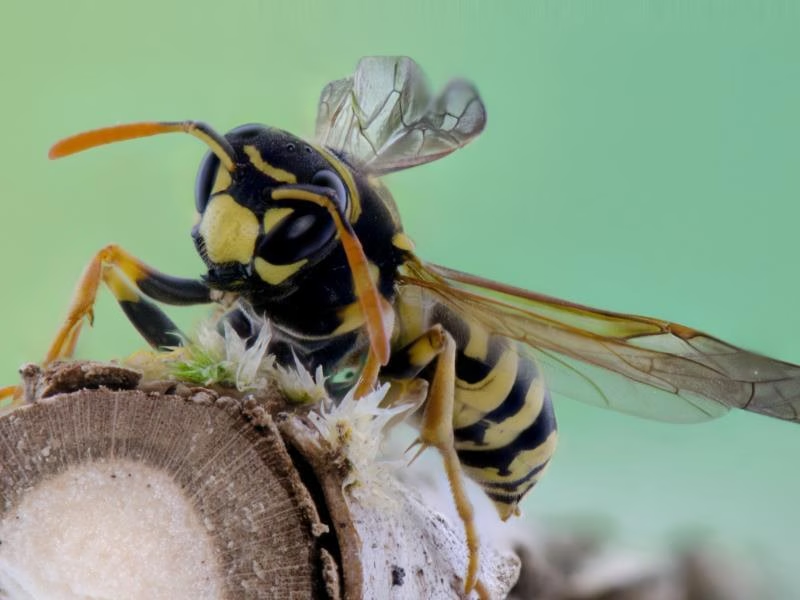
We have several wasp species that will aggressively defend their nests when disturbed. Correct identification is important because their behaviour, nesting habits and risk levels vary.
Multiple stings can occur very quickly, and people who are allergic to wasps may experience a serious medical reaction, including anaphylactic shock. It is therefore very important that professional identification and treatment be implemented when a nest is located, as it could pose a significant risk.
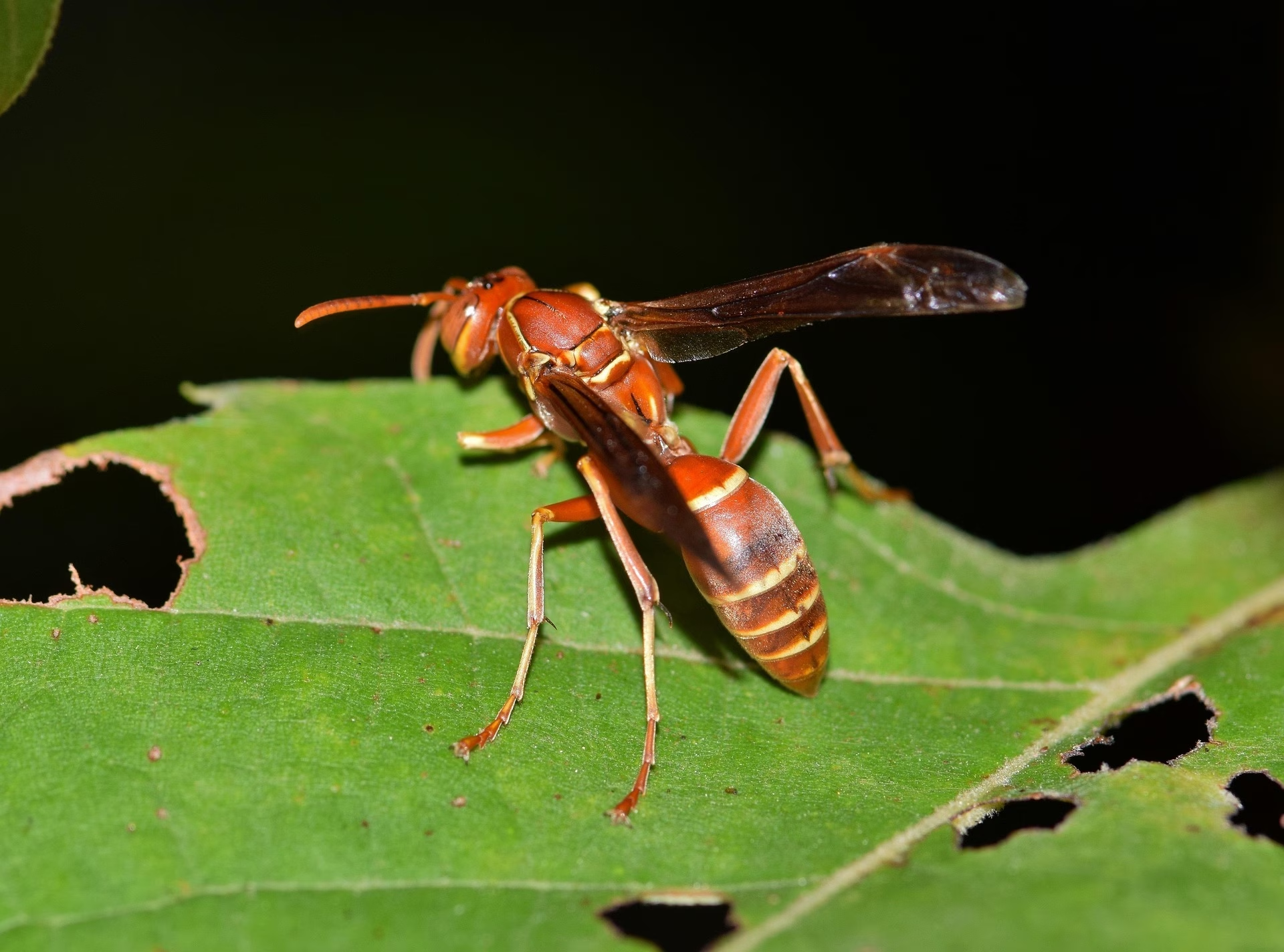
- Paper Wasps: Commonly construct exposed, paper-like nests beneath eaves, small trees and shrubs, pergolas, outdoor furniture, and other protected areas. Their nests contain visible cells and are often attached to a surface by a narrow stalk. Paper wasps can sting repeatedly and rapidly when they believe they are under threat.
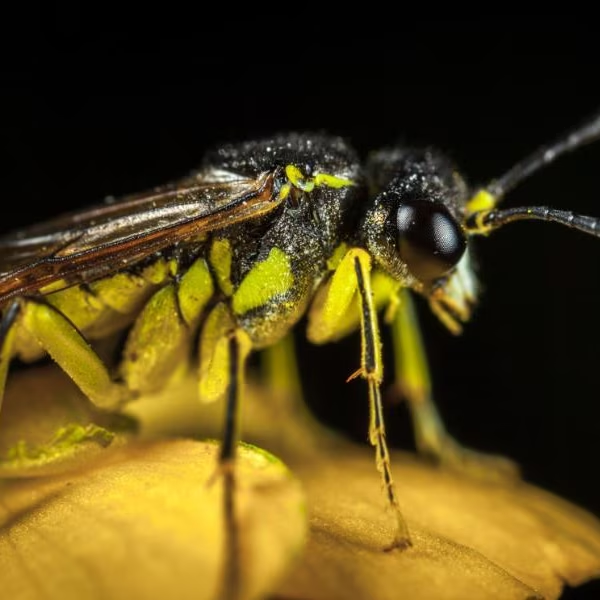
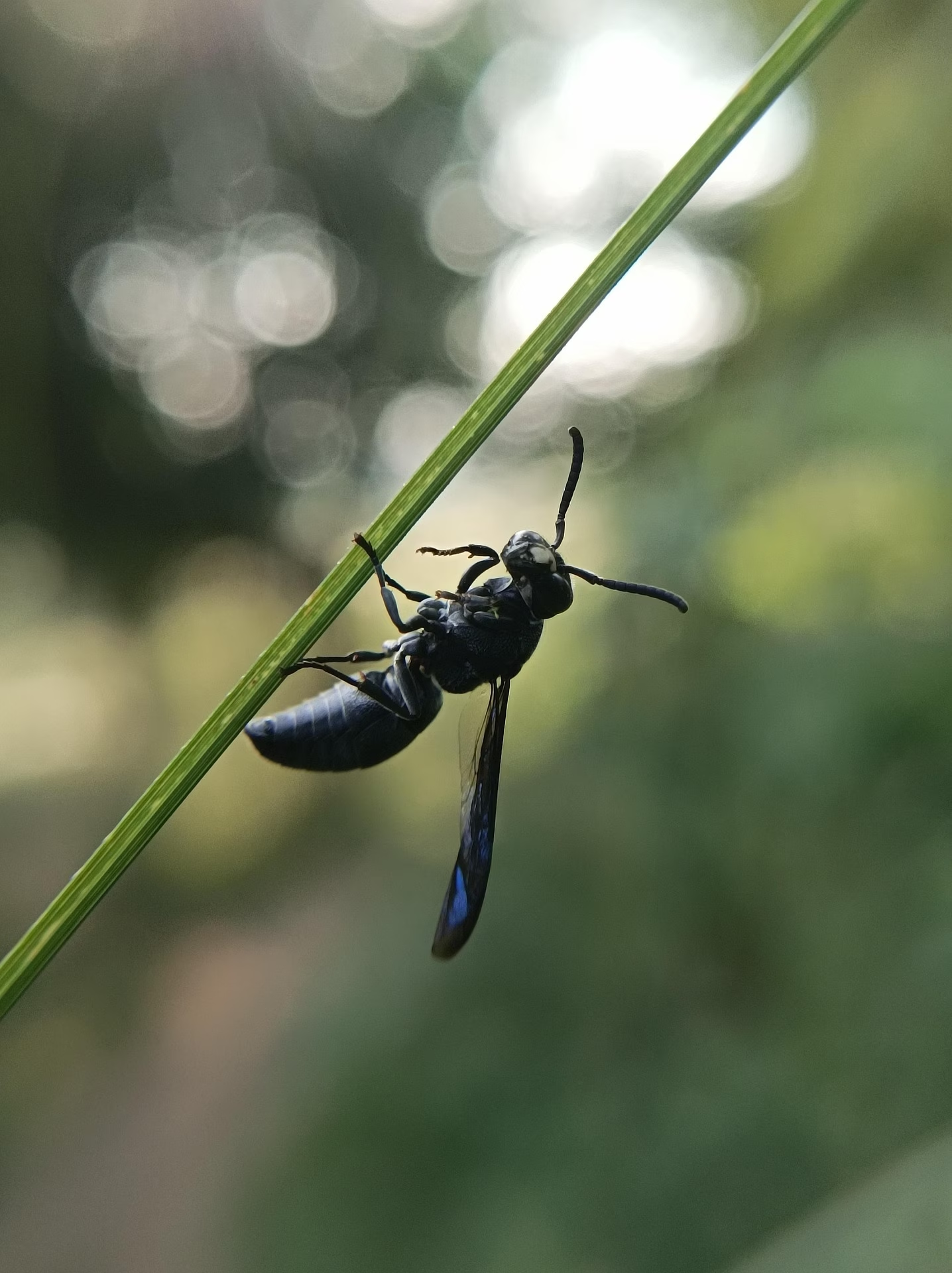
- Mud-dauber and Potter Wasps: Typically build nests from mud. These are often on walls, ceilings, sheds, and other sheltered structures. They are generally solitary and tend to be less defensive than social wasps, although they can still sting if handled or threatened.
- European Wasps: These wasps often establish concealed nests in the ground, retaining walls, roof voids, and wall cavities. They can become quite aggressive around their nest and may also be attracted to meat, sugary food and drinks. If you suspect European wasp activity, exercise caution.
Signs you might have a Wasp Nest
Seeing an occasional wasp does not always mean a nest is located on the property. However, regular activity in the same area may indicate that a nest is close.
Common signs a nest is nearby include:
- Wasps repeatedly entering a hole, gap or building cavity
- Increased activity around eaves, rooflines or garden structures
- An exposed paper nest beneath a sheltered surface
- Mud nests attached to walls, ceilings or outdoor structures
- Wasps gathering around bins, pet food or outdoor dining areas
- Concentrated activity close to a tree, garden bed or retaining wall
Watching the direction in which wasps travel from a safe distance may help in identifying the general nesting area. We strongly suggest not blocking an entry point or approaching a suspected nest to investigate it more closely.
Wasp Nests Can Be Dangerous
Wasps may become defensive when they detect vibration or movement near their nest. Mowing, gardening, external cleaning, renovation work or moving stored items can accidentally disturb wasps.
Unlike bees, wasps generally can sting more than once. A disrupted nest may release multiple wasps, creating a risk to anyone nearby. Anyone close by may be vulnerable if a nest is disturbed.
If someone is stung and has trouble breathing, swelling of the tongue or throat, dizziness or another serious reaction, they should seek urgent medical assistance without delay.
What Not to Do
You should not attempt to knock down, burn, flood, or seal an active wasp nest, as this can provoke a defensive response. Spraying a concealed nest from a distance may also fail to reach the colony do more harm than good.
Keep children and pets away and avoid loud equipment near the nest.
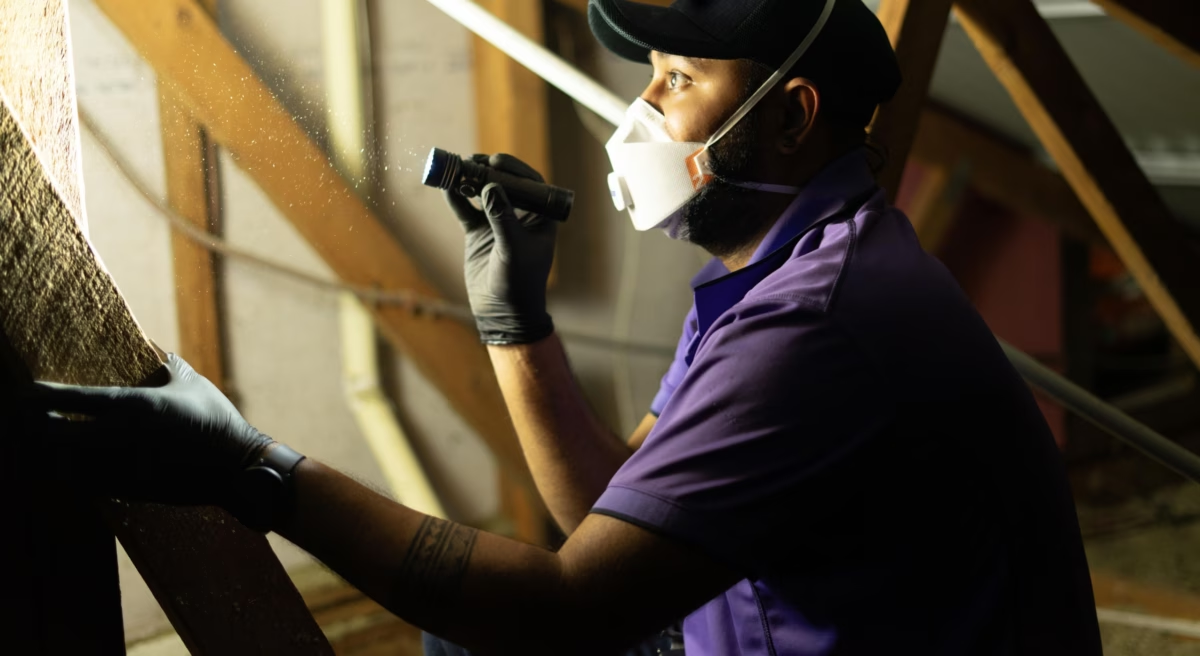
Professional Wasp Inspection and Treatment
The technician will consider access restrictions, surrounding activity and the potential for people or animals to enter the area being treated.
Treatment will depend on the wasp species and where the nest has been established. This might involve applying an appropriate insecticidal product directly to the nest.
You may continue to see wasps for a short period of time after treatment as foraging wasps return to the nest. Customers should remain away from the area and follow any instructions provided by the pest management technician.
Why DIY Wasp Control Treatments often don’t work
DIY wasp control often fails because it only targets visible wasps, not the nest or colony. Spraying individual wasps or using off-the-shelf insecticides may give temporary relief but don't reach or eliminate the nest. Wasps also build nests in hidden areas like wall cavities and roof spaces, making them hard to locate.
Incorrectly treating a nest can disturb wasps, causing aggressive stings. Professional wasp inspections identify the species, locate the nest, and choose suitable treatments, making wasp control safer and more effective around homes or businesses.
The Allure Pest Solutions Difference
Why Choose Allure for Wasp Control Treatments?

Expertise You Can Trust
Our team of fully qualified and experienced pest control specialists are experts in wasp control and management. We use the latest technology and advanced techniques for the best results.

Eco-Friendly Solutions
We are committed to using sustainable and environmentally safe wasp control treatments, ensuring your home is protected without compromising your family’s health or the environment.

6-Month Comprehensive Protection
Eligible General Pest treatments come with a 6-month call-back guarantee, giving you peace of mind that your home is safeguarded.
Fast and Efficient Service
We understand the urgency of wasp control and pest related issues. Our team responds quickly to address infestations and provide immediate treatment to protect your home.
Process Overview
Our 3-Step Wasp Control and Treatment Process
Wasp Treatments
Frequently Asked Questions
What is the most effective way to treat a wasp nest?
The most reliable method is to locate the nest and treat it with a registered insecticide spray or dust through a registered professional, ideally at night or early morning when wasps are less active.
Can I safely remove a wasp nest myself?
We advise against the removal of wasp nests by untrained individuals for safety reasons. Nests, including those in high locations or in walls and roofs, should be handled by a professional to avoid mass stings.
How long does wasp treatment take to work?
Professionally applied wasp treatments typically eliminate the colony within 24–48 hours, with residual protection lasting several weeks.
How do I stop wasps from coming back after treatment?
After the nest is dead, seal entry points such as gaps in eaves or brickwork, and keep food and rubbish tightly covered to reduce attraction.
Find Your Nearest Service Area
Protecting Homes and Businesses with Trusted Wasp Control and Solutions